If your windshield cracked in a sudden temperature swing off Lake Murray or took a rock on I‑26 during rush hour, your first thought is usually speed and safety. Call a trusted auto glass shop in Columbia, get it fixed, and move on. Then the advisor asks the question that throws many people off: does your vehicle have a rain sensor, and do you need rain sensor compatible glass?
windshield replacement Columbia SCThat question matters. Modern windshields are more than laminated safety glass. They are part of your vehicle’s sensor suite, and that thin patch by the rearview mirror can control wiper speed, talk to your driver assistance systems, and even inform your headlights. If it is mismatched or installed wrong, you can end up with wipers that act up in a summer downpour, or a dash full of warnings after a windshield replacement in Columbia.
I have worked with owners, fleet managers, and technicians across the Midlands who have navigated this decision. Here is what I tell them when they call about auto glass replacement in Columbia, whether they need a mobile service in Irmo or a shop visit near Two Notch.
What a rain sensor actually does
Rain sensors sit behind the windshield near the rearview mirror. Most use infrared light to detect how much water is on the glass. When the system senses droplets, it tells the wipers to sweep. As water intensity changes, your wiper speed adjusts. You do not need to fiddle with stalk positions while merging onto 277 during a summer thunderstorm.
Two details matter for replacement. First, the sensing area must align to a specific clear patch in the glass. Second, the sensor reads through an optical gel pad that must be seated cleanly, free of air bubbles. If either is off, sensitivity drops, the wipers may ghost wipe on a sunny day, or they hesitate in heavy rain.
Some vehicles tie the rain sensor to auto headlights, lane departure cameras, or adaptive cruise radar housed near the same bracket. Even if those systems are separate, they share space and sometimes wiring. That is why a simple windshield swap can ripple into driver assistance alerts if you use the wrong glass or skip calibration.
How to tell if your car has a rain sensor
You do not need a scan tool to figure this out. Look at the area around the rearview mirror from outside the car. If you see a dark, roughly credit card-sized black panel or a small module pressed against the glass rather than just a simple mirror mount button, you likely have a sensor. If your wiper stalk includes an “AUTO” setting, that is another clue. Some models hide the setting in the infotainment menu, so a quick trip through settings can help.
Still unsure? A reputable auto glass shop in Columbia can run your VIN to see the original equipment spec. For vehicles with trim levels that vary within the same model year, the VIN check avoids guesswork. I have seen plenty of folks assume they did not have the sensor because the wipers were manual in the menu, only to discover the sensor was present but turned off by a previous owner.
Why rain sensor compatible glass is not optional if you have the feature
I have watched this go wrong twice in the last year. In one case, a compact SUV from Cayce needed windshield replacement in Columbia after a long crack split across the driver’s line of sight. The owner chose a cheaper pane that “fit,” but it lacked the correct sensor window. The shop attempted to move the sensor anyway. The wipers stuttered, the glare strip looked odd, and the owner ended up paying again for the correct part and a reset. The savings vanished.
Compatibility is about more than a cutout. OEM and quality aftermarket windshields with rain sensor support have the right frit shading and a clear optical window so the infrared signal passes correctly. The mounting bracket is secured at the proper angle. The sensor gel pad is designed for that glass surface. When all of those line up, the system behaves like it did when the car left the factory.
If your vehicle has the feature, you want glass built for it, and you want a technician who handles sensor attachments weekly. That usually means a shop that does a steady volume of auto glass services in Columbia, not just a body shop doing an occasional windshield.
Are there times you can skip rain sensor glass?
Two situations come up. First, older vehicles that had optional rain sensing wipers may have the mirror bracket but no sensor module installed. In those cases, standard glass is fine. Second, a few owners choose to disable the feature permanently. I get the temptation if you have had one too many phantom wipes on a humid day. The trouble is, de-contenting the car can affect resale and sometimes trips a fault light if the vehicle expects to see the module.
When fleet managers ask about cost control, I advise keeping vehicles consistent with their build configuration. Insurers prefer like‑kind replacements. If your sedan shipped with the sensor, use rain sensor compatible glass and keep the system healthy. The difference in part cost usually ranges from tens of dollars to a bit over a hundred, depending on brand and availability. Losing auto functionality to save that much rarely pencils out, especially in a region that gets quick summer storms and fall drizzle.
The Columbia factor: weather, roads, and availability
Columbia weather does not pound us with snow, but we get dramatic summer rain, frequent temperature swings, and pollen that sticks to everything. Auto wipers show their value when the sky turns from bright to gray in ten minutes and the road film changes quickly. On the roads around Fort Jackson and along I‑77, you do not want to take a hand off the wheel to fuss with intermittent settings.
Locally, parts availability varies week to week. After hail or a major storm front, sensor‑equipped glass can run tight. Shops that handle mobile auto glass in Columbia keep common patterns in stock and can source others within a day or two from regional warehouses. If you drive a rare trim or a newer model year, call ahead, share your VIN, and ask the advisor to confirm whether your windshield requires a rain sensor window, tint band, heads‑up display layer, acoustic interlayer, or camera bracket. The right order on day one saves a second appointment.
Repair or replace: chip, crack, and safety lines
Plenty of chips do not require a full windshield replacement. If you caught a small star chip on Two Notch Road and it is smaller than a quarter and not in the driver’s primary field of view, windshield chip repair in Columbia makes sense. A precise resin fill can stop the spread and keep optical clarity within acceptable limits. If the chip sits directly in front of the rain sensor, be cautious. Resin or trapped air in that zone can confuse the sensor. A good technician will evaluate the location and talk through whether repair is wise.
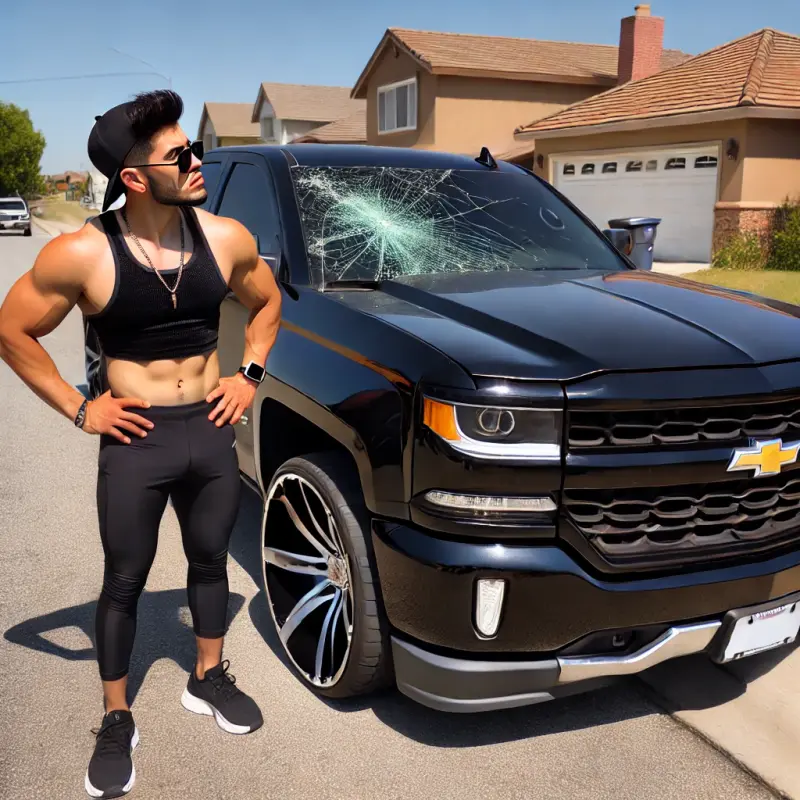
Cracks change the math. A long crack that reaches an edge will keep growing. Also, if the crack crosses the wiper swipe area in front of the driver, that can compromise structural integrity in a collision. At that point, windshield replacement in Columbia is the responsible choice. If your vehicle has a camera for lane assist integrated near the rain sensor, plan for calibration afterward. Many shops in the area perform static calibration in-house and road test for a dynamic check when required by the manufacturer.
What a proper installation looks like
A clean install is part art, part process. The technician protects your paint and dashboard, removes the cowl and trim without breaking clips, then cuts the old urethane bead. After lifting the glass, they prep the pinch weld, treat any small scratches to prevent rust, and lay a fresh bead at the right height. The new windshield seats onto that bead with even pressure.
For rain sensor units, the technician cleans the mounting area, inspects the sensor lens, and replaces the gel pad if it shows any clouding or trapped dust. The module clicks onto the bracket, then they verify that the wiring harness is routed without pinch points. When the urethane cures to the manufacturer’s safe drive-away time, they test wipers, auto lights, and any driver assist cameras.
Small mistakes create big headaches. I have seen sensors mounted with reused, dried gel pads that left pea-sized air bubbles. The wipers wiped, then paused mid-sweep while the sensor “decided.” A ten-dollar pad and two extra minutes would have fixed it. That is the difference between a generalist and an experienced tech.
Insurance, glass options, and costs in the Midlands
Most comprehensive policies in South Carolina cover windshield repair, often with no deductible for chip repair. Replacement is different. Deductibles vary widely, and glass endorsements can change the out‑of‑pocket. When you call your insurer, ask whether they require using a network shop. In the Columbia area, many independent auto glass shops still work seamlessly with insurer approvals. You can choose an auto glass shop in Columbia that you trust and have them handle the paperwork.
On glass choices, you will hear three terms: OEM, OEE, and aftermarket. OEM is the original brand, often etched with the vehicle manufacturer’s mark. OEE stands for original equipment equivalent, made to the same spec by the same or a related supplier without the automaker logo. Aftermarket can vary. Some aftermarket windshields are excellent, especially from established manufacturers. Others save money with thinner acoustic layers or less precise frit shading. With rain sensors, small optical differences matter. You do not always need OEM, but you do want a brand with proven sensor clarity. A seasoned shop can advise what performs well in your specific model.
For a typical sedan in Columbia with rain sensor compatible glass, I see replacement quotes that span a few hundred dollars to over a thousand when combined with camera calibration and premium options like heads‑up display. Trucks and SUVs often run higher. Mobile auto glass in Columbia may not cost more, and for busy schedules or immobile cars, it saves time.
Mobile service or shop visit?
Mobile service is a lifesaver for cracked windshield situations when you cannot be without the car all day. A good mobile crew brings calibrated tools, fresh urethane, and the correct glass. The limitation is calibration. Some vehicles require a controlled environment or targets for camera alignment. If your car needs a static calibration and your driveway cannot accommodate the setup, plan for a shop visit. Likewise, if weather threatens rain during curing time, rescheduling or moving to the shop protects the seal.
When booking, share where you park, whether there is shade, and if you have access to a flat surface. Crews can work curbside in Five Points or on a job site near Lexington, but flat ground and room to open doors helps. An honest outfit will tell you if mobile is practical or if the job belongs in the bay.
The gel pad, the bracket, and the clear window: small parts, big results
I keep hammering on the details because they drive the outcome. The optical gel pad is not just foam. It is a refractive medium that ensures consistent light transmission. Old pads yellow, compress, and trap microbubbles. The bracket on the glass is bonded at a particular height and tilt. Knockoff brackets change that angle by a couple of degrees, which looks invisible but changes how the sensor reads. The clear window in the tint band must be free of haze and match the sensor footprint.
Ask your technician if they are replacing the gel pad and whether the replacement glass has the correct sensor window. They should answer without hesitation. If they start talking around the question, that is a flag. I have told customers to walk away from installs that could not guarantee those two pieces. The money saved up front gets swallowed by repeat visits and frustration.
How Columbia drivers can prepare before calling
Knowing a few facts about your car speeds up the process and reduces errors.
- VIN handy and trim level confirmed. A quick photo of the door sticker works. Note any features near the mirror: auto wipers, lane assist, auto high beams, or a camera. Describe the damage location and size: chip, crack length, and whether it reaches an edge. Share whether you prefer mobile auto glass in Columbia or a shop visit, and where the vehicle will be during the repair. Check your insurance deductible and whether you have glass coverage or a preferred network.
That short prep list gives the advisor what they need to source the right windshield and schedule calibration if needed.
When repair makes more sense than replacement
Not every blemish demands a new windshield. If your cracked windshield in Columbia is actually a short crack under six inches that does not touch the edge and sits outside the driver’s critical sight zone, some shops can still repair it using a crack expansion stopper and resin. It is not cosmetic perfection, but it restores structural continuity and keeps water out. For chips, the success rate is high when addressed within a few days. Heat cycles make chips spread. On a car that bakes in a Five Points parking lot, a coin-sized chip can spider overnight.
Rain sensors add one wrinkle. A chip within the sensor window can distort readings even after repair. A careful technician will tell you when a replacement is smarter to preserve system performance.
What sets a good auto glass shop apart in the Midlands
I judge a shop by four behaviors. They confirm features with a VIN instead of guessing. They explain part options clearly, including when OEM is warranted. They talk openly about calibration and safe drive-away times rather than rushing the car out. And they stand behind the install with a written warranty that covers leaks, wind noise, and sensor function.
In Columbia, good shops do not try to upsell. They listen. If you call about car window repair in the rear door after a break‑in, they do not pitch a windshield. If you ask about windshield repair in Columbia for a small chip, they do not leap to replacement unless the damage or location demands it. That mindset carries into every step of vehicle glass repair, especially with sensor‑equipped windshields.
Common myths I hear at the counter
People repeat a few lines that cause trouble later. The first is that any glass that fits is fine. It might fit, but it may not function. The second is that calibration is optional. For some vehicles with passive rain sensors, there is no software calibration, just a sensor reset, but for camera‑equipped windshields tied to driver assistance, calibration is part of the safety system. Skipping it can leave you with a warning light or a system that misreads the road. The third is that mobile installs are lower quality. Not when done right. The difference is preparation and pride, not the location.
A quick story from the field
A nurse from Forest Acres called me after a DIY buyer installed a cheap windshield on her mid‑size SUV. The wipers behaved like a metronome on dry days. In storms, they surged and paused at random. The installer had reused the old gel pad and mounted the sensor slightly off center because the aftermarket bracket was misaligned. We installed rain sensor compatible glass from a reliable OEE manufacturer, replaced the pad, and verified the camera calibration. The wipers returned to normal, the lane assist warning cleared, and the drive felt calm again. That job cost less than the time and anxiety she spent fighting the first install.
Practical timelines and what to expect on the day
From first call to completion, a straightforward windshield replacement in Columbia usually runs one to two business days if the glass is in stock, same day if you catch an early slot. Add time if the part is special order. The actual installation takes roughly one to two hours. Cure time for the urethane varies by brand and temperature, usually 30 minutes to a couple of hours before it is safe to drive. Shops that value safety will set a clear safe drive‑away time and stick to it. Heavy rain during cure is a risk. If a sudden shower pops up, a mobile tech may reschedule rather than gamble with your seal.
After the job, you might hear slight wind noise if a molding didn’t seat fully. A good shop will invite you back to address it. Do not wash the car in a high‑pressure bay that day. Avoid slamming doors hard while pressure equalizes. If your car uses auto wipers, test them in a light mist and again in a heavier rain to ensure the sensor behaves naturally. If something feels off, call. Tweaks are easy right after an install, harder if weeks pass.
The bottom line for Columbia drivers
If your car left the factory with rain sensing wipers, then yes, you need rain sensor compatible glass when you replace your windshield. That means the correct clear window, a properly aligned bracket, a fresh gel pad, and an installer who handles sensor‑equipped glass weekly. It is not a luxury add‑on, it is matching your vehicle to its original function.
For those seeking auto glass replacement in Columbia or quick windshield repair in Columbia, you have strong local options. Whether you choose mobile auto glass in Columbia for a driveway install or visit a shop near your office, give the advisor your VIN, confirm your features, and ask plainly about calibration. If you are dealing with a cracked windshield in Columbia and debating repair versus replacement, lean on the technician’s measurement and your insurance terms.
I have seen thousands of smooth jobs and a handful of headaches. The smooth ones start with clear information and end with a windshield that looks and works like it should. Your wipers sweep when the sky opens over the Congaree, your cabin stays quiet, and your driver assistance systems do their part without drama. That is the goal of every trustworthy auto glass shop in Columbia, and it is well within reach when you match the glass to the car and sweat the details that matter.